








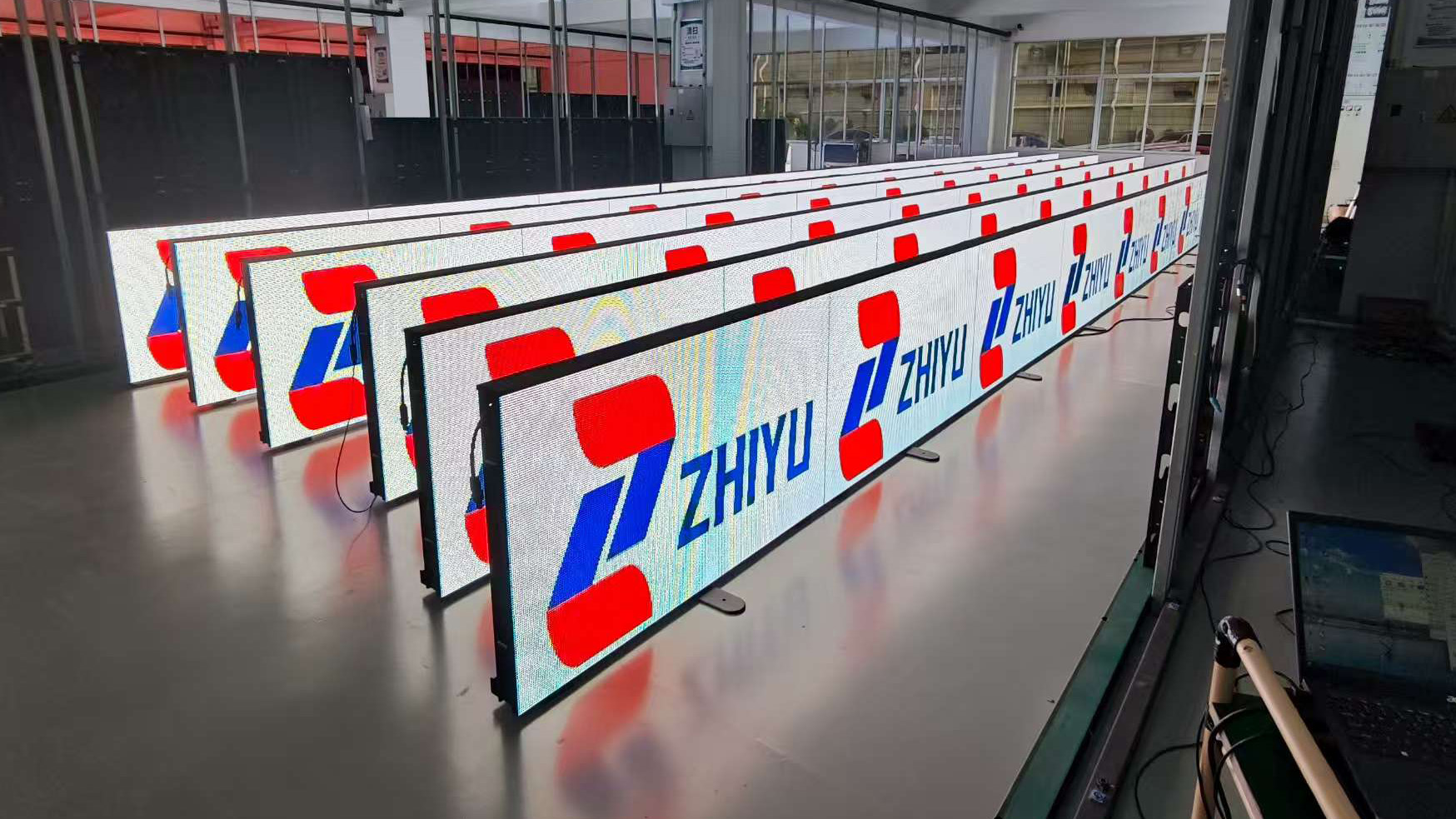
When using smartphones or cameras to photograph or record LED displays, many people notice distracting flickering stripes or wave-like patterns across the screen. This phenomenon, often called the “water ripple” effect, severely compromises the quality of captured images and videos. But what causes these ripples, and how can they be resolved? As a professional LED display manufacturer, we provide expert insight into this common issue.
Understanding the Cause of Ripples (Moiré Pattern)
The technical term for this “water ripple” effect is the Moiré pattern. It occurs when digital cameras (including phone cameras) capture footage of lower refresh rate LED displays. The pattern manifests as continuously flickering and jumping horizontal stripes that significantly degrade recording quality.
A key specification in LED display technology is the refresh rate, measured in Hertz (Hz). This indicates how many times per second the display redraws the image. Common rates include 1920Hz, 2880Hz, and 3840Hz. A higher refresh rate means the image is redrawn more frequently. Lower refresh rate LED screens are more prone to producing Moiré patterns during photography, making the image appear to flicker. In contrast, high refresh rate LED displays eliminate this issue, delivering smoother, more delicate, and vibrant visuals that accurately reproduce the intended colors.
How to Solve the Moiré Pattern Issue?
The root solution lies in the initial selection of the LED display’s refresh rate. To completely avoid this problem, we recommend choosing a high refresh rate LED display from the outset. This addresses the issue at its source. While high-refresh-rate products from a quality LED screen factory may come at a premium compared to standard refresh rate options, the investment is justified by superior performance, especially for applications involving photography and videography.
Are There Remedies for Already Installed LED Displays?
Many clients only encounter the Moiré effect after their LED video wall is installed and they begin taking photos. Replacing the entire installation with a high-refresh-rate solution is often impractical and cost-prohibitive. In such cases, the solution must come from the photography side. Adjustments can be attempted by changing the camera’s position, angle, or lens focus. However, these techniques often provide only minimal improvement and are not reliable fixes.
It’s important to note that to the naked eye, both standard and high refresh rate LED displays appear identical when playing videos or images. The difference is only visible through the lens of a high-resolution camera. That said, high refresh rate screens are generally easier on the eyes, reducing strain during prolonged viewing.
Ultimately, the choice between a standard and high refresh rate display should be based on your budget and specific needs. If your project involves frequent photography or videography and the budget allows, investing in a high-refresh-rate product from a reputable LED display factory is highly recommended.