




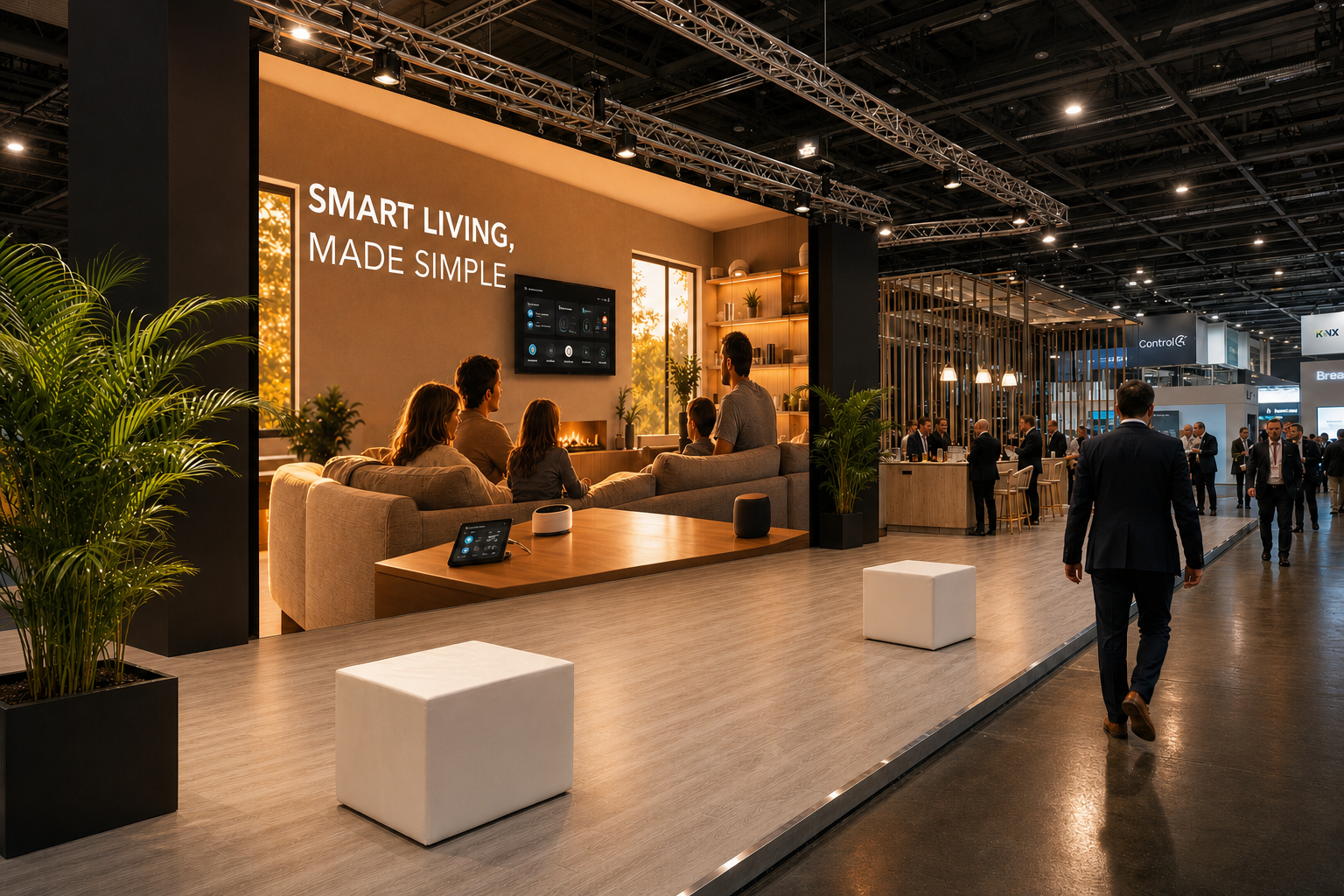
The top LED display trends in the US and Europe before InfoComm 2026 are faster-install rental systems, service-backed direct view LED deployments, stronger demand for all-in-one and public-space LED solutions, and rising interest in creative LED formats such as dance floors, DJ booths, cubes and spheres. Buyers are no longer comparing LED screens by pixel pitch alone. They are now prioritizing installation speed, lower labor risk, scene-specific design, remote support and content readiness.

Quick answer: Before InfoComm 2026, buyers in the US and Europe are prioritizing rental LED systems that install faster, fixed LED systems with stronger service support, and creative LED formats that create higher-value visual experiences. The strongest opportunities are in events, retail, venues, immersive spaces, and custom display projects.
Why US and European Buyers Are Prioritizing Install-Ready LED Systems
The market is shifting from panel comparison to deployment logic. In practical terms, buyers want LED systems that arrive faster, install with fewer tools, require less on-site troubleshooting and fit the visual goals of each venue. That shift is visible across rental LED, fixed installation LED and creative LED formats.
For rental applications, speed matters because labor is expensive and schedules are tight. For fixed installation, the pressure is different. Integrators need predictable mounting, clear service access, spare-part planning and remote support. For creative LED, the challenge is to turn unusual formats into reliable commercial solutions rather than one-off visual experiments.
This direction is reinforced by recent moves from major brands and industry platforms. Major manufacturers are highlighting one-hand setup, tool-free service, installation support and retail-focused immersive applications ahead of InfoComm 2026. If your buyers want to move from trends to real product decisions, guide them into rental LED display solutions, fixed LED video wall solutionsو custom LED display applications directly from this section.
Rental LED Display Trends for Weddings, Trade Shows and Live Events
Rental LED display remains one of the strongest product lines for event-driven demand in the US and Europe. However, buyers are becoming more selective. They still care about brightness, cabinet weight and pixel pitch, but they now expect faster setup, cleaner cable planning, easier front or rear maintenance and better compatibility with curved or transparent configurations.
Indoor rental LED walls are especially attractive for conferences, exhibitions, weddings, product launches and DJ events. These projects often need a system that can be installed and removed within a short venue access window. That is why quick-lock structures, touring packages and cabinet designs that reduce crew training are becoming important selling points.
Outdoor rental LED screens continue to matter for festivals, fan zones, public activations and branded roadshows. In these projects, the message should not stop at waterproofing and high brightness. A stronger page should also mention wind-conscious structures, stack-and-fly flexibility, signal redundancy and the ability to adapt to different stage layouts.
Transparent and curved rental LED formats are becoming more valuable when buyers want a premium visual effect without losing depth, lighting or stage openness. This is the right place to guide readers to your transparent rental LED screen options and curved LED wall solutions.
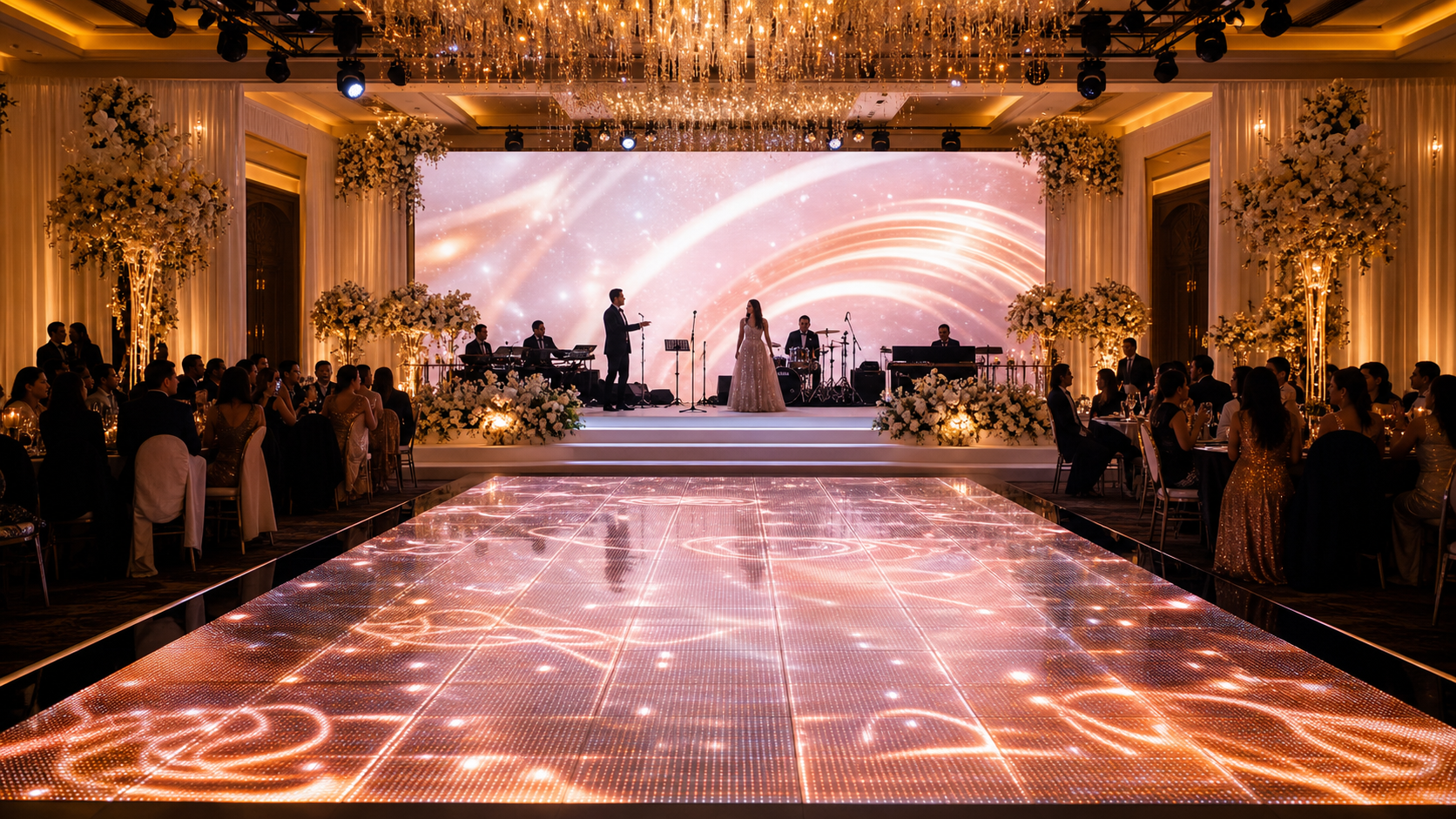
Buyer takeaway: If you sell rental LED display, write the page around installation speed, scene fit and service logic instead of treating it as a simple hardware listing. Keep event buyers moving to LED display for events content after this section.
Fixed LED Display Trends in Retail, Corporate, Transport and Venue Spaces
Fixed LED display projects are also changing. Buyers in retail, corporate and transport environments want more than a standard wall-mounted screen. They want systems that integrate into architecture, support long operating hours and reduce long-term maintenance risk.
All-in-one LED products are still gaining attention because they simplify specification and installation. They are especially useful for corporate lobbies, boardrooms, higher education spaces and branded presentation areas. At the same time, lower-threshold public-space LED solutions are opening more opportunities in malls, worship venues, office spaces and general commercial interiors.
Major project case studies show that large LED systems are still expanding in airports and sports venues. In your own content structure, this paragraph should push readers toward indoor fine pitch LED display pages, LED video wall for retail spacesو stadium and venue LED display solutions.
This is where suppliers should upgrade their language. Terms such as media wall system, ribbon board, architectural integration, remote monitoring, service access and control compatibility often resonate more with project buyers than generic product descriptions.
Buyer takeaway: A fixed LED page should read like a deployment solution, not a cabinet catalog. Strengthen trust by linking buyers to LED display installation support.
Creative LED Opportunities: DJ Booths, Dance Floors, Cubes and Spheres
Creative LED is no longer a side category. It is becoming a practical traffic-driving and value-adding product line for exhibitions, nightlife, weddings, retail activations and immersive brand experiences.
LED dance floors are especially strong because they combine visual impact with direct audience interaction. They work well in wedding stages, club spaces, interactive museums and feature zones inside trade shows. When promoting this product, the most persuasive points are load-bearing performance, anti-slip design, sensor responsiveness, video quality and event atmosphere.
LED DJ booth systems should be presented as part of a visual package. Instead of treating the DJ booth as a niche product, suppliers can position it as a modular front display that syncs with the main LED backdrop and, if needed, an LED dance floor. That framing makes the product easier to understand for event buyers.
LED cube displays and LED sphere displays are ideal for trade show traffic, retail centerpieces, science museums, branded photo zones and nightlife venues. The real selling point is not the unusual shape alone. It is the ability to create a memorable visual anchor in spaces where clients need photos, foot traffic and social sharing.

Buyer takeaway: Creative LED pages should connect each format to a real commercial scene, not just display product photos. Direct readers to LED dance floor solutions, LED DJ booth displayو LED cube and sphere display.
How AI Content Is Increasing the Value of LED Projects
AI is not replacing LED displays. Instead, it is increasing the commercial value of LED projects by making content production faster, more flexible and easier to localize. That matters because many buyers struggle less with choosing hardware than with planning the content that will run on the screen.
AI-generated video can help wedding planners, exhibitors, retailers and event agencies create custom visual packages for LED backdrops, transparent screens, DJ booths and immersive stage floors. Real-time AI avatars can improve reception, multilingual guidance and branded interaction in exhibitions, retail stores and transport spaces.
This trend is also useful for suppliers. AI can speed up mockup production, help sales teams visualize different venue setups and make product explanations easier through short videos or digital presenter flows. In other words, AI gives LED suppliers a practical content advantage that can support faster inquiries and higher trust.
Buyer takeaway: The strongest message is simple: AI creates the visuals. LED brings them to life. If buyers want practical inspiration, send them to LED backdrop ideas for events.
How to Choose the Right LED Display Supplier in 2026
The right supplier should do more than quote a panel. Buyers should look for a team that can recommend the correct pixel pitch, explain viewing distance, match the control system, define the installation method and support the project after delivery.
Here are a few questions that matter before placing an order:
Product Fit
- Is the recommended pixel pitch right for the viewing distance?
- Is the system optimized for rental, fixed installation or a creative format?
- Can the supplier support indoor, outdoor, transparent or curved versions if the project expands?
Installation Support
- Does the supplier provide clear structure drawings or installation guidance?
- Can the team support stack, fly, wall-mount or custom framing methods?
- Is remote commissioning available?
Spare Parts and Remote Service
- What spare ratio is recommended for the project?
- How are replacement modules, power supplies and receiving cards handled?
- What technical response can buyers expect during overseas deployment?
Common mistake: Many buyers compare price too early and evaluate service too late. That often leads to higher labor cost, slower installation and more on-site risk.
When a reader is ready to move, the next click should be contact our LED project team.
Final Takeaway
Before InfoComm 2026, the LED market in the US and Europe is clearly favoring systems that are easier to deploy, easier to specify and easier to turn into revenue-generating visual experiences. Rental LED display, fixed LED media walls, all-in-one LED solutions and creative LED formats are all moving in that direction.
If you are sourcing a rental, fixed or creative LED system for an upcoming project, the best next step is to define your venue size, viewing distance, installation method and content goal first. Then work with a supplier that can turn those inputs into a practical deployment plan.
Recommended internal path:
- Start with the main product category page that matches the project.
- Move to a relevant application page for weddings, trade shows, retail or venues.
- Finish on the contact or quote page with a clear project brief.
Request a custom LED recommendation